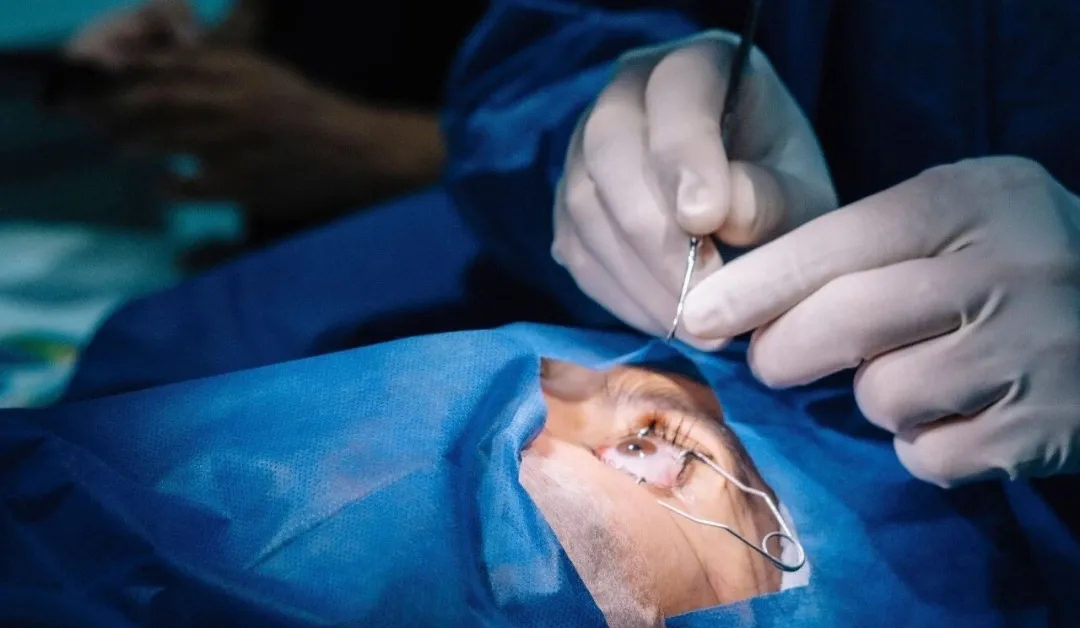
Many people planning to say goodbye to glasses depend heavily on contact lenses or colored lenses for daily life. Once they decide to have refractive surgery, the most common question they ask is: "I just took my contacts out today — can I come in for the pre-op exam and schedule surgery tomorrow?"
The honest answer is no. Roughly 90% of the problems that derail refractive surgery come from contact lenses that were not properly discontinued before the work-up. Removing the lens may look simple, but the cornea underneath is still reshaped, and every measurement taken too early is distorted. That is how post-surgery glare, ghosting, off-target prescriptions, and regression creep in.
This guide lays out the standard lens-stop-wear times used in modern ophthalmology clinics and explains which pre-op exams depend most heavily on a fully recovered cornea. If you are considering laser vision correction, save this article.
Why Refractive Surgery Demands a Real Contact-Lens Break
Patients often ask: how can a simple contact lens affect the result of a laser operation? The answer is that refractive surgery has to be planned from your truest real-eye data, not from a cornea that has been mechanically molded by a foreign body.
1. Long-term contact-lens wear compresses and reshapes the cornea
Soft contact lenses and colored lenses sit directly on the corneal surface. Over time, they gently but persistently press on the cornea and temporarily change its curvature, thickness, and overall shape. If you have not stopped wearing them long enough to recover, every measurement taken before surgery is essentially a "fake" reading produced by the lens — not your eye's natural state.
2. It distorts refraction, so the prescription and astigmatism cannot be measured accurately
Contact lenses disturb the tear film on the eye's surface and change the eye's refractive state. Spherical power can come out too high or too low, and the axis of astigmatism can shift. If the surgical plan is built on those wrong numbers, post-operative outcomes frequently include ghosting, night glare, under-correction, or over-correction into hyperopia.
3. It leaves the cornea hypoxic, dry, and mildly inflamed
Long-term lens wear limits oxygen transmission to the cornea, so the eye is often dry, mildly bloodshot, and quietly inflamed. Refractive surgery, however, demands a clean and stable cornea. Skipping the stop-wear period raises the intra-operative infection risk and compromises both the speed and the long-term stability of corneal healing.
2026 Standard Stop-Wear Times by Lens Type
One important point: you do not stop wearing contact lenses just before surgery — you stop well before the pre-operative examination. Sneaking in even a half-day of wear during this window can leave the cornea only partly recovered and will invalidate the entire work-up.
Soft contact lenses (daily / monthly / biweekly disposable)
Standard stop-wear: at least 7 days (1 week). Standard soft lenses have reasonable oxygen transmission, and a short break is usually enough to let corneal shape and tear film recover.
Colored / cosmetic contact lenses
Standard stop-wear: 10 to 15 days. Cosmetic lenses carry a pigment layer, transmit less oxygen than ordinary soft lenses, and tend to leave the eye more damaged on the surface and slower to recover its shape, so they need more time.
Rigid gas-permeable (RGP) lenses
Standard stop-wear: 3 to 4 weeks. Rigid lenses reshape the cornea more strongly and persistently, and the cornea returns to its native shape more slowly. The full break must be observed.
Orthokeratology (Ortho-K) lenses
Standard stop-wear: at least 3 months. Ortho-K works by overnight corneal molding, and the reshaping effect is strong and long-lasting. Of all lens types, this one has the most demanding stop-wear requirement.
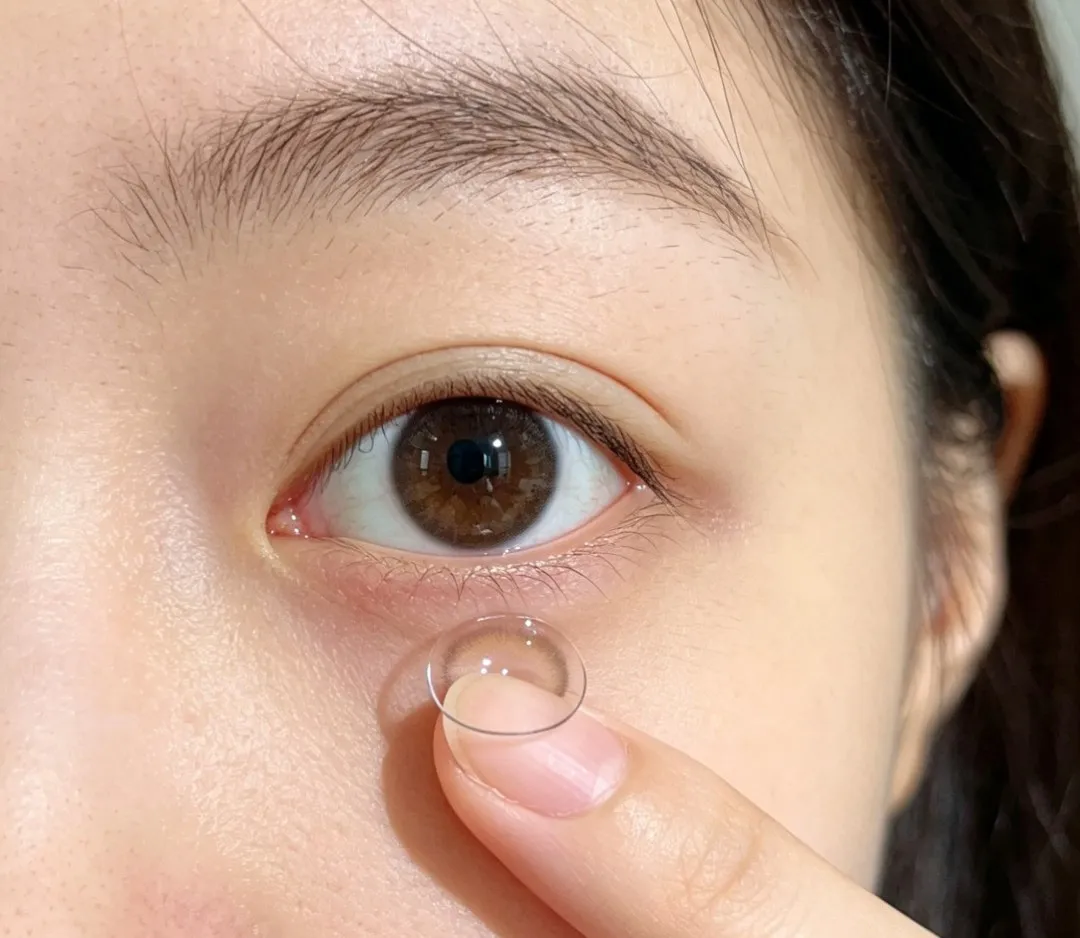
Removing the lens is the visible step. The invisible step is waiting long enough for the cornea to fully recover.
Whether the Break is Sufficient Directly Decides the Result
Refractive surgery is not a one-size-fits-all procedure. More than twenty pre-operative tests form the foundation of surgical safety and post-operative quality, and every cornea-related measurement depends on the eye's native state.
Corneal topography and keratometry
These scans are used to screen for keratoconus, judge corneal health, plan the laser ablation profile, and size ICL implants. If you have not stopped wearing lenses long enough, the cornea is still in a flattened, reshaped state, which can mask early corneal abnormalities and bias the surgical plan — creating long-term safety risk.
Comprehensive refraction (spherical power and astigmatism)
The exact correction the laser will deliver comes entirely from the pre-op refraction. If contact lenses have distorted that refraction, both the spherical power and the astigmatism axis will be off, making it very hard to achieve a clear, stable unaided result — and ghosting or blur is a likely outcome.
Corneal thickness and axial length
Laser surgery depends on calculating precisely how much tissue can be safely ablated and on a strict minimum residual stromal bed. If those numbers are off, too much cornea may be removed, leaving the eye both functionally and structurally compromised in the long run.
Dry-eye and tear-film assessment
Long-term contact-lens wear itself worsens dry eye and disrupts the tear cycle. Without the stop-wear break, the true severity of dry eye cannot be measured and therefore cannot be treated in advance. After surgery, this often shows up as persistent dryness, foreign-body sensation, light sensitivity, and fatigue that significantly degrade the visual experience.

A contact lens is small, soft, and easy to forget — but the corneal change it leaves behind is the first thing refractive planning has to overcome.
Core Pre-Op Stop-Wear Advice
1. Stop longer rather than shorter
It is always better to wait a few extra days for the cornea to fully recover than to rush to the pre-op at the minimum interval. If the corneal state is not yet ready, the surgical result is inevitably compromised.
2. No contact lenses at all — even occasionally
Even if your eyes feel uncomfortable or you have an important event, do not sneak in even a half-day of lens wear during the stop-wear window. Intermittent wear keeps disturbing the corneal shape and undoes the recovery already made.
3. Plan the break before booking the exam
When you decide to pursue refractive surgery, reserve a generous stop-wear window up front. Do not try to compress everything into a short, urgent trip — it is the most common reason pre-op appointments get delayed or surgery has to be postponed.
4. Follow your surgeon's professional judgment
Corneal recovery speed varies from person to person. Whether you are ready for the pre-op examination and ultimately ready for surgery should always be decided by the in-person evaluation at the hospital — not by the patient clock.
The Takeaway
Refractive surgery does not reward speed. It rewards precise measurements, an individualized plan, and long-term safety. For patients who have worn contact lenses or colored lenses for years, the stop-wear period is the first and the most critical step toward a successful procedure. Only when the cornea has fully returned to its native shape can the pre-op data be trusted — and only then can glare, ghosting, and unstable vision be prevented at the root.
At Shanghai HePing Eye Hospital, our refractive surgery team provides a structured pre-operative work-up, evidence-based lens-stop-wear guidance, and individualized laser and ICL plans for international patients seeking long-term visual freedom. Contact us to plan a refractive consultation that fits your cornea and your daily life.